In the press: Fire safety and listed buildings
10 July 2026
Claire Brown, Associate Director at SRVO shared her thoughts with AQD, read the whole article in the Summer Edition here:
Ensuring building safety when managing listed or historic buildings brings with it numerous complex considerations that need to be carefully navigated.
A building’s listed status doesn’t apply solely to items identified in the listing description, but to the whole building itself; consent is required for any changes – interior or exterior – which may affect the character of the building. Any alteration in a listed building comes with legal consequences; carrying out work without appropriate consents puts property managers, contractors and owners at risk of prosecution and potentially hefty fines.
It becomes more complicated when we layer fire safety compliance on top of already complex listed building legislation. It’s important to:
- Get good advice. Understanding the options and requirements around listed buildings is key to navigating fire safety and heritage protections.
- Follow due process. Changes need to be justified, proportionate and reasonable – with the necessary consents from the local planning authority.
- A holistic approach. Work with experienced heritage experts to interrogate fire risk assessments to ensure compliance while respecting listed status.
Different takes on everyday challenges
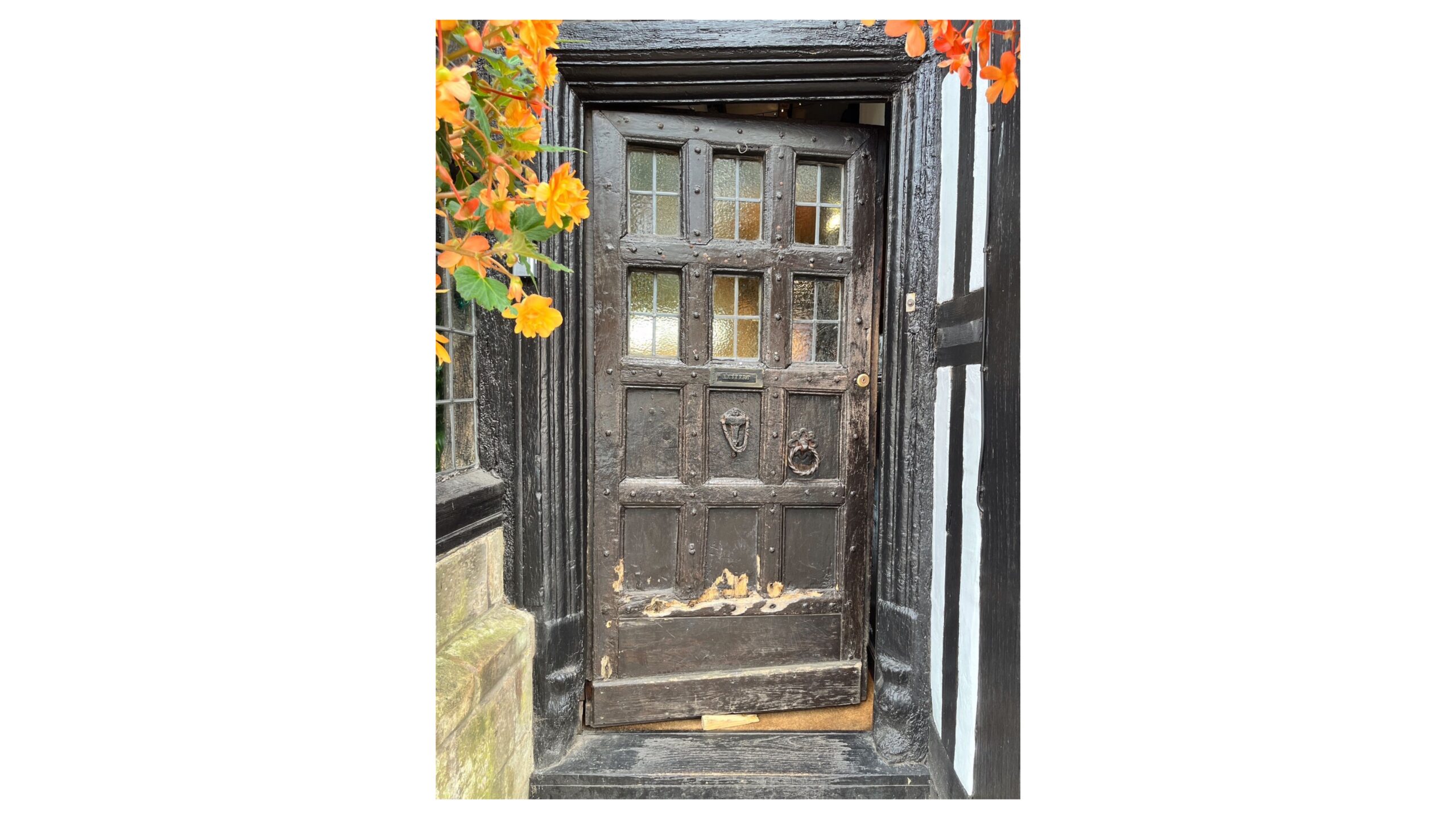
- Fire door replacement is not always the only solution. Certain older, solid-wood doors demonstrate considerable ability to prevent the spread of fire, and sometimes small alterations can improve fire performance even further.
- Intumescent coatings, which expand to form a thick insulating char, can enhance building safety; smoke seals, intumescent seals and veneers can also be applied to doors.
- Another option for fire safety could be temporarily removing original panelling to allow fire boards to be fitted behind them.
- An alternative to fully replacing heritage doors could be a mist suppression system. In some cases, a viable option could include over-pressurisation systems, which can control smoke and escape routes clear of smoke to allow for safe evacuation.
- Alarm systems offer ways to reduce risk to occupants – interconnected fire alarm systems, in which one head detecting smoke will trigger alarms all around the building to aid swift evacuation are ideal when compartmentation is inadequate. Meanwhile, radio connected fire alarm systems can minimise the need for intrusive works that damage the fabric of the building.
- Integrating emergency lighting can be designed to match a building’s appearance or heritage features
Off-the-shelf interventions will almost always be more suited to modern buildings than listed ones. By collaborating closely with heritage and fire risk experts and engineers, building owners and managers can better navigate the restrictions of listed building consent while introducing proportionate safety compliance measures that can preserve the heritage value of the building.
Keeping people safe is always the priority, but once a historic feature has been removed, it is gone forever.
If you’d like to find out more about navigating fire safety compliance in a heritage building, get in touch with Claire Brown, RICS conservation-accredited building surveyor and Associate Director at SRVO Property.
Follow us
©2026 srvo | All rights reserved